
 Image 1 of 2
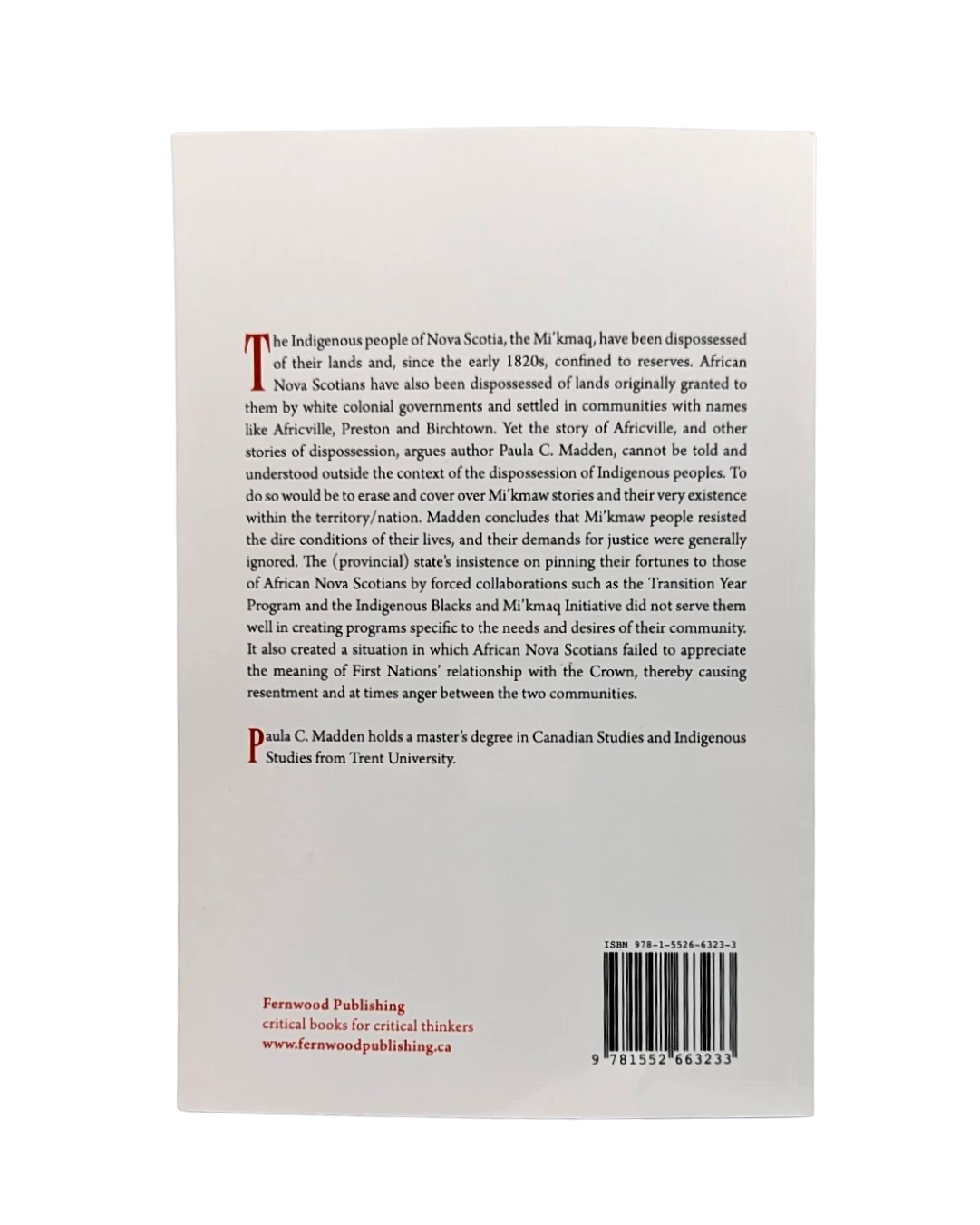 Image 2 of 2
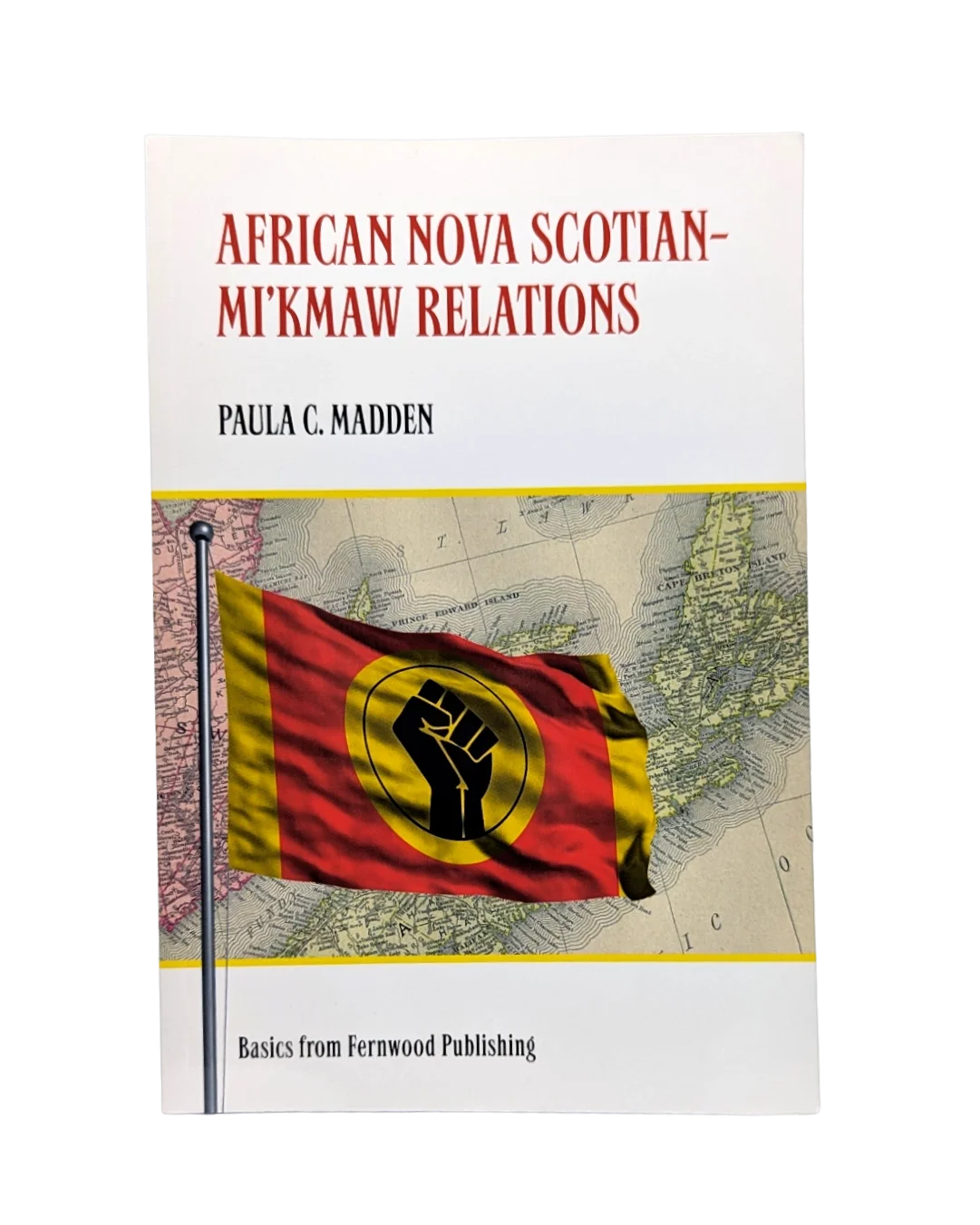
The Indigenous people of Nova Scotia, the Mi’kmaq, have been dispersed of their lands and, since the early 1820s, confined to reserves. African Nova Scotians have also been dispossessed of lands originally granted to them by white colonial governments and settled in communities with names like Africville, Preston and Birchtown. Yet the story of Africville, and other stories of dispossession, argues author Paula C. Madden, cannot be told and understood outside the context of dispossession of Indigenous peoples. To do so would be to erase and cover over Mi’kmaw stories and their very existence within the territory/nation. Madden concludes that Mi’kmaw people resisted the dire conditions of their lives, and the demands for justice were generally ignored. The (provincial) state’s insistence on pinning their fortunes to those of African Nova Scotians by forced collaborations such and the Transition Year Program and the Indigenous Blacks and Mi’kmaq Initiative did not serve them well in creating programs specific to the needs and desires of their community. It also created a situation in which African Nova Scotians failed to appreciate the meaning of First Nations’ relationship with the Crown, there by causing resentment and at times anger between the two communities.
The Indigenous people of Nova Scotia, the Mi’kmaq, have been dispersed of their lands and, since the early 1820s, confined to reserves. African Nova Scotians have also been dispossessed of lands originally granted to them by white colonial governments and settled in communities with names like Africville, Preston and Birchtown. Yet the story of Africville, and other stories of dispossession, argues author Paula C. Madden, cannot be told and understood outside the context of dispossession of Indigenous peoples. To do so would be to erase and cover over Mi’kmaw stories and their very existence within the territory/nation. Madden concludes that Mi’kmaw people resisted the dire conditions of their lives, and the demands for justice were generally ignored. The (provincial) state’s insistence on pinning their fortunes to those of African Nova Scotians by forced collaborations such and the Transition Year Program and the Indigenous Blacks and Mi’kmaq Initiative did not serve them well in creating programs specific to the needs and desires of their community. It also created a situation in which African Nova Scotians failed to appreciate the meaning of First Nations’ relationship with the Crown, there by causing resentment and at times anger between the two communities.